Awards
Government agencies face a recurring problem: they allocate 70% of their media budgets to digital advertising, yet struggle to reach the communities they most need to influence. Why? Because digital assumes that the people you're trying to reach are scrolling Instagram or clicking banner ads. But the audiences most in need of public health messaging, civic engagement, and social services are often the least digitally engaged.
Meanwhile, Out-of-Home (OOH) media sits largely untouched in government budgets—treated as an afterthought, a "nice to have" rather than a core channel. This is a strategic mistake that costs millions in wasted messaging.
The Opportunity
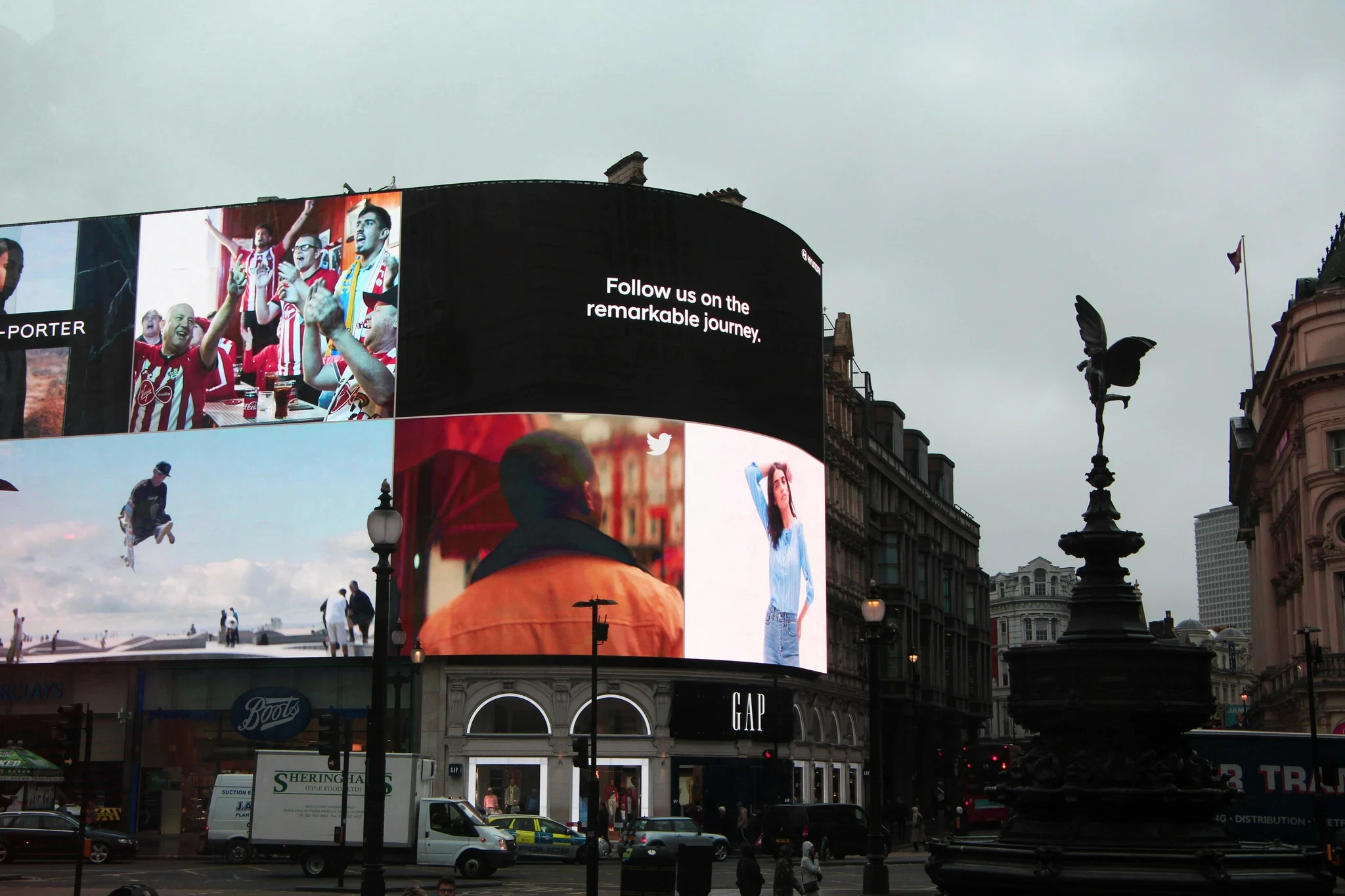
Out-of-Home media reaches New Yorkers at moments of highest attention and lowest friction. A transit ad reaches commuters during their daily routine—no ad blockers, no algorithm manipulation, no scrolling past your message. A Times Square billboard reaches foot traffic from 300,000+ people daily. A strategic bus shelter placement in a neighborhood targets residents at eye level, repeatedly.
The data backs this up: OOH drives higher message recall (80%+) than digital display ads, and when paired with digital reinforcement, it creates a multi-channel effect that dramatically increases conversion rates. For government agencies running public health campaigns, voting initiatives, or community engagement programs, OOH isn't optional—it's essential.
The Fix: Strategic Placement Over Spray and Pray
The problem isn't OOH itself. The problem is how government agencies use it. Most fall into the trap of buying broad, untargeted placements and hoping for results. Instead, strategic OOH should mirror your audience strategy.
Run a voting registration campaign? Place ads at transit hubs near community centers and libraries, not Times Square. Running a public health initiative? Target health clinics, pharmacies, and neighborhood intersections with high foot traffic in your target demographic. Promoting city services? Position ads in areas with the highest need and lowest awareness.
The key is precision over reach. One strategically-placed billboard in a high-need neighborhood will outperform ten billboards scattered randomly across the city.
When paired with digital reinforcement—social ads targeting the same geographic areas—OOH becomes unstoppable. You reach people in the physical world, then follow them digitally with consistent messaging.
The Bottom Line
Government agencies have been conditioned to chase digital metrics (impressions, clicks, CPM) because they're easy to measure and report. But easy to measure isn't the same as effective. OOH is harder to track, yes—but its impact on behavior change is undeniable.
The agencies winning right now are the ones reallocating budgets away from digital noise and into strategic OOH placements that actually reach their core audiences. If your campaign isn't visible on the streets of New York, it's not reaching the people who need to see it.